






Breast cancer is one of the most common cancers affecting women worldwide. While many people know that genetics can play a role, not everyone understands how family history and breast cancer risk are connected. Having a close family member diagnosed with breast cancer does not necessarily mean you will develop the disease, but it does increase your risk compared to the general population.
According to Dr. Mahesh Pawar, an experienced breast cancer specialist at Care Speciality Hospital, Pune, understanding your family history is one of the most effective ways to identify women who may benefit from earlier screening, genetic counseling, and preventive care.
If breast cancer has affected your mother, sister, daughter, grandmother, or other close relatives, this guide will help you understand your risk and the steps you can take to protect your health.
What Does Family History Mean in Breast Cancer?
Family history refers to having blood relatives who have been diagnosed with breast cancer or certain other cancers, such as ovarian, pancreatic, or prostate cancer.
The closer the relationship and the greater the number of affected family members, the higher your potential risk.
Women should know the medical history of both their mother’s and father’s sides of the family because inherited genetic mutations can come from either parent.
At Care Speciality Hospital, Pune, Dr. Mahesh Pawar encourages every woman to discuss her family history during routine breast health consultations.

How Much Does Family History Increase Breast Cancer Risk?
Your level of risk depends on several factors.
Average Risk
Women with no significant family history are considered to have average risk.
Moderate Risk
Your risk increases if:
-
Your mother had breast cancer
-
Your sister was diagnosed with breast cancer
-
Your daughter developed breast cancer
-
Multiple second-degree relatives had breast cancer
High Risk
Your risk becomes significantly higher if:
-
Two or more close relatives have breast cancer
-
Breast cancer occurred before age 50
-
Male breast cancer exists in the family
-
Both breast and ovarian cancer are present in the family
-
Multiple generations are affected
-
A BRCA1 or BRCA2 mutation is identified
Women with these risk factors should seek evaluation from an experienced breast specialist like Dr. Mahesh Pawar at Care Speciality Hospital, Pune.
Which Family Members Matter Most?
The following relatives are considered important when assessing breast cancer risk.
First-Degree Relatives
-
Mother
-
Sister
-
Daughter
Having one first-degree relative with breast cancer approximately doubles your risk.
If two first-degree relatives have breast cancer, the risk becomes even higher.
Second-Degree Relatives
-
Grandmother
-
Aunt
-
Niece
-
Granddaughter
These relatives are also important, especially when multiple family members are affected.
Father’s Side Matters Too
Many people mistakenly believe breast cancer genes are inherited only from the mother’s side.
This is incorrect.
Your father’s family history is equally important because BRCA mutations can be inherited from either parent.
Dr. Mahesh Pawar often reminds patients at Care Speciality Hospital, Pune not to ignore cancer history from the paternal side.
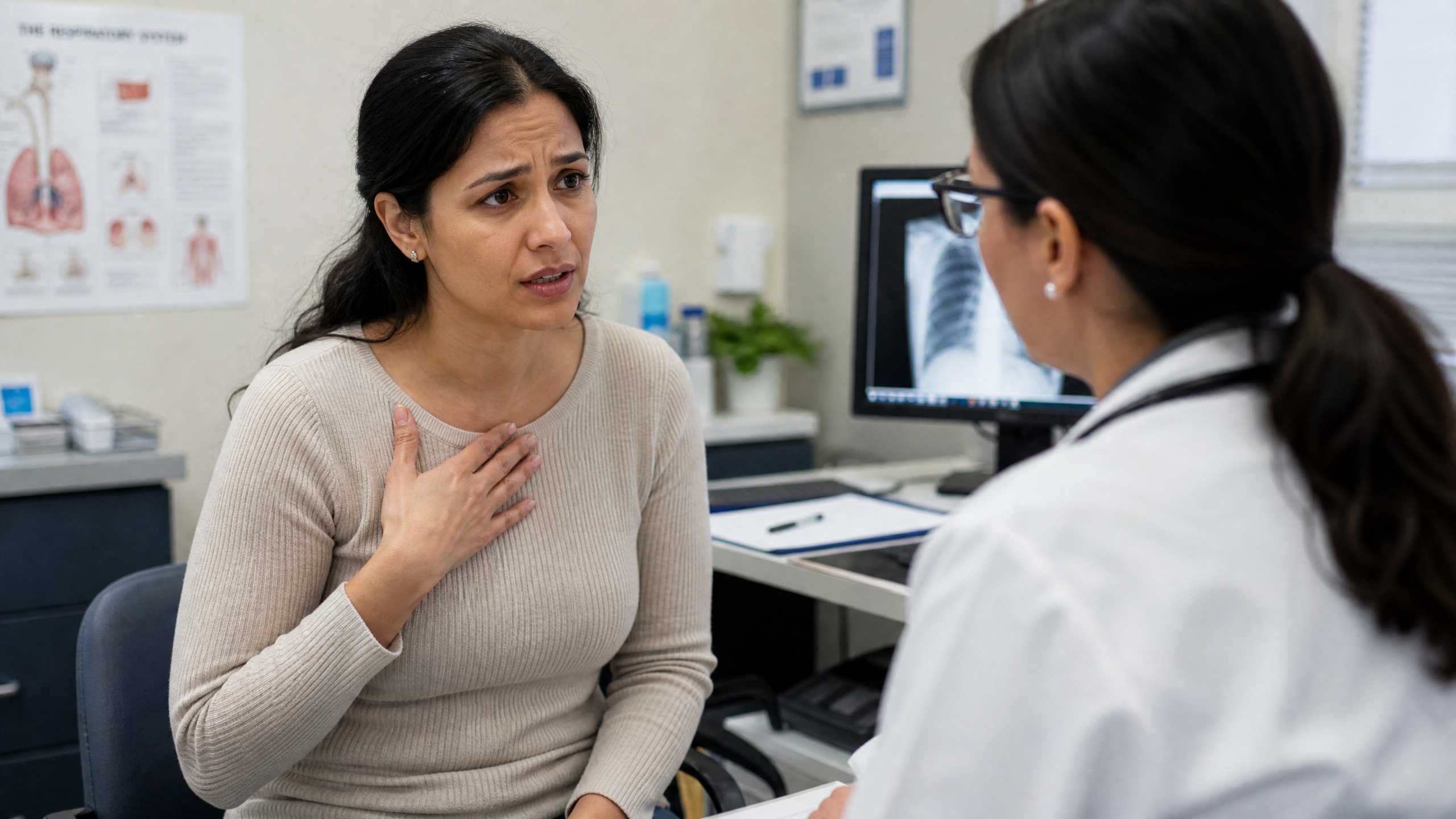
What Are BRCA Genes?
BRCA1 and BRCA2 are genes that normally help repair damaged DNA.
When these genes develop harmful mutations, the body’s ability to repair damaged cells decreases, increasing cancer risk.
Women with BRCA mutations may have:
-
Higher lifetime breast cancer risk
-
Higher ovarian cancer risk
-
Greater chance of developing cancer at younger ages
-
Increased risk of cancer in both breasts
Men carrying BRCA mutations can also develop breast cancer and pass these genes to their children.
Signs That You May Need Genetic Testing
Genetic testing may be recommended if:
-
Breast cancer occurred before age 50
-
Multiple relatives have breast cancer
-
Ovarian cancer exists in the family
-
Male breast cancer is present
-
Triple-negative breast cancer occurred before age 60
-
Multiple cancers occurred in one individual
-
Both breasts developed cancer
At Care Speciality Hospital, Pune, Dr. Mahesh Pawar carefully evaluates each patient’s personal and family history before recommending genetic counseling or testing.
Does Family History Guarantee Breast Cancer?
No.
Many women with a strong family history never develop breast cancer.
Similarly, many women diagnosed with breast cancer have no family history at all.
In fact, most breast cancer cases occur in women without any known inherited genetic mutation.
This is why regular screening remains important for every woman.
Other Factors That Increase Breast Cancer Risk
Family history is only one part of the overall risk assessment.
Other important risk factors include:
-
Increasing age
-
Obesity
-
Smoking
-
Alcohol consumption
-
Lack of physical activity
-
Hormonal replacement therapy
-
Early menstruation
-
Late menopause
-
Delayed first pregnancy
-
Dense breast tissue
-
Previous breast biopsies
Dr. Mahesh Pawar combines all these factors while assessing breast cancer risk at Care Speciality Hospital, Pune.

Symptoms You Should Never Ignore
Regardless of family history, seek medical evaluation if you notice:
-
A new breast lump
-
Swelling in the breast
-
Nipple discharge, especially bloody discharge
-
Changes in breast size or shape
-
Skin dimpling
-
Nipple inversion
-
Persistent breast pain
-
Redness or thickening of breast skin
-
Lump in the armpit
Early diagnosis significantly improves treatment success.
Breast Cancer Screening for Women with Family History
Women at higher risk often require screening earlier than the general population.
Your doctor may recommend:
-
Clinical breast examination
-
Mammography
-
Breast ultrasound
-
Breast MRI
-
Genetic counseling
-
Genetic testing
The exact screening schedule depends on your personal risk profile.
At Care Speciality Hospital, Pune, Dr. Mahesh Pawar creates individualized breast screening plans for women with a family history of breast cancer.
Can Breast Cancer Be Prevented?
Although breast cancer cannot always be prevented, the risk can be reduced.
Recommended preventive measures include:
-
Maintaining a healthy weight
-
Exercising regularly
-
Eating a balanced diet
-
Avoiding tobacco
-
Limiting alcohol
-
Breastfeeding whenever possible
-
Attending regular breast screening
-
Reporting any breast changes immediately
Women with very high genetic risk may also discuss preventive medications or preventive surgery with their breast specialist.

Importance of Early Detection
Early detection remains the most powerful tool against breast cancer.
When breast cancer is detected in its early stages:
-
Treatment is often less extensive.
-
Breast-conserving surgery may be possible.
-
Survival rates are significantly higher.
-
Recovery is generally faster.
-
Quality of life is better.
This is why Dr. Mahesh Pawar emphasizes routine breast screening and awareness at Care Speciality Hospital, Pune.
Breast Self-Examination
Women should become familiar with the normal appearance and feel of their breasts.
Perform a breast self-examination once every month, preferably a few days after your menstrual period ends.
Look for:
-
New lumps
-
Skin changes
-
Swelling
-
Nipple discharge
-
Changes in breast symmetry
Self-examination does not replace mammography but helps women recognize changes early.
When Should You Consult a Breast Cancer Specialist?
You should schedule a consultation if:
-
You have a strong family history of breast cancer.
-
Your mother, sister, or daughter has been diagnosed with breast cancer.
-
You notice any breast lump or abnormal change.
-
You have a known BRCA mutation.
-
You want guidance about breast cancer screening.
-
You need a personalized breast cancer risk assessment.
Women across Pune, PCMC, Pimpri-Chinchwad, Hinjewadi, Wakad, Baner, Aundh, Kothrud, Hadapsar, Kharadi, Magarpatta, Pashan, and nearby areas can consult Dr. Mahesh Pawar at Care Speciality Hospital, Pune for expert breast cancer evaluation, screening, diagnosis, and treatment.

Why Choose Dr. Mahesh Pawar at Care Speciality Hospital, Pune?
Choosing the right breast cancer specialist can make a significant difference in diagnosis and treatment.
At Care Speciality Hospital, Pune, Dr. Mahesh Pawar offers:
-
Comprehensive breast cancer risk assessment
-
Advanced breast cancer screening
-
Digital mammography guidance
-
Breast ultrasound evaluation
-
Early breast cancer diagnosis
-
Personalized treatment planning
-
Breast-conserving surgery
-
Breast cancer surgery
-
Long-term follow-up care
-
Compassionate patient-centered treatment