






Stress is a normal part of everyday life. Work pressure, family responsibilities, financial concerns, lifestyle changes, and health problems can all contribute to stress. But an important question many women ask is: Can stress increase the risk of breast cancer?
The relationship between stress and breast cancer has been studied extensively. While stress can have significant effects on overall physical and emotional health, current evidence does not clearly establish that everyday psychological stress directly causes breast cancer. However, chronic stress may influence sleep, physical activity, eating habits, alcohol consumption, body weight, and other behaviors that can affect overall health and potentially breast cancer risk.
Understanding the difference between a possible biological connection and proven breast cancer risk factors is important.
At Care Speciality Hospital, Pune, Dr. Mahesh Pawar emphasizes the importance of breast cancer awareness, early evaluation of breast symptoms, appropriate screening, and individualized cancer care. Women should not blame themselves or assume that stress alone has caused breast cancer. Instead, understanding established risk factors and seeking timely medical advice are important steps toward better breast health.
What Is Stress?
Stress is the body’s physical and emotional response to challenging or demanding situations.
Short-term stress can be a normal response that helps a person react to difficult situations. However, long-term or chronic stress can affect multiple systems of the body, including sleep, mood, digestion, blood pressure, immune function, and daily habits.
Chronic stress may be caused by:
-
Work-related pressure
• Financial difficulties
• Family responsibilities
• Relationship problems
• Lack of sleep
• Major life changes
• Long-term illness
• Caring for a family member
• Emotional trauma
• Persistent anxiety about health or other personal issues
Because chronic stress can affect overall health, many women naturally wonder whether it can also contribute to breast cancer.

Does Stress Cause Breast Cancer?
There is currently no conclusive evidence that psychological stress directly causes breast cancer.
Breast cancer is a complex disease that develops through changes in breast cells and is influenced by multiple factors. These may include age, genetics, family history, reproductive history, hormonal exposure, certain lifestyle factors, and previous medical conditions.
Stress is often discussed as a possible risk factor, but studies investigating the relationship between psychological stress and breast cancer have produced mixed results.
Having a stressful period in your life does not mean that you will develop breast cancer.
Similarly, women diagnosed with breast cancer should not feel that they caused their disease by being stressed.
At Care Speciality Hospital, Pune, Dr. Mahesh Pawar encourages women to focus on appropriate screening, healthy lifestyle habits, awareness of breast symptoms, and timely medical evaluation rather than blaming themselves for cancer.
Why Do People Think Stress May Be Linked to Breast Cancer?
There are several reasons why researchers have investigated a possible relationship between stress and cancer.
Stress affects the body through hormonal and nervous system responses. Chronic stress can also influence behaviors such as:
-
Physical inactivity
• Poor sleep
• Unhealthy eating
• Weight gain
• Increased alcohol consumption
• Smoking or tobacco use
• Reduced attention to preventive healthcare
These factors may influence overall cancer risk and health.
Therefore, the relationship between stress and breast cancer may be indirect rather than stress itself directly causing cancer.
How Does Chronic Stress Affect the Body?
When a person experiences stress, the body activates physiological responses involving the nervous system and stress hormones.
Short-term activation can be useful. However, when stress continues for a prolonged period, it may contribute to problems such as:
-
Sleep disturbances
• Anxiety and mood changes
• High blood pressure
• Changes in appetite
• Reduced physical activity
• Weight changes
• Poor concentration
• Fatigue
• Unhealthy coping behaviors
Chronic stress can therefore have a significant impact on quality of life.
For women concerned about breast health, managing stress is beneficial even though stress management should not be considered a substitute for breast cancer screening or medical evaluation.
Can Stress Affect Hormones Related to Breast Cancer?
Stress can influence hormones and other biological processes in the body. This has led researchers to investigate whether stress-related biological changes could influence cancer development or progression.
However, the biological possibility of a connection does not prove that stress causes breast cancer.
Breast cancer is not caused by a single hormone or a single lifestyle factor. Different types of breast cancer have different biological characteristics.
For example, some breast cancers are hormone receptor-positive, meaning that cancer cells have receptors for estrogen and/or progesterone.
At Care Speciality Hospital, Pune, Dr. Mahesh Pawar evaluates the biological characteristics of breast cancer along with the patient’s clinical history, pathology reports, imaging, and other relevant factors when planning treatment.
Stress and Hormone Receptor-Positive Breast Cancer
Hormone receptor-positive breast cancer is one of the most common categories of breast cancer.
In these cancers, estrogen and/or progesterone can influence the growth of cancer cells.
Stress should not be confused with hormone receptor status. A woman cannot determine whether her breast cancer is hormone receptor-positive simply because she experiences stress or hormonal symptoms.
Hormone receptor status is determined through laboratory testing of breast cancer tissue.
The pathology report may identify:
-
Estrogen receptor (ER) status
• Progesterone receptor (PR) status
• HER2 status
• Other important tumor characteristics
These results help the oncology team determine the most appropriate treatment approach.

-
Can Stress Make Breast Cancer Worse?
This is another common concern among patients.
Research into the relationship between psychological stress and cancer progression is ongoing. There are biological mechanisms through which stress-related pathways could potentially influence cancer-related processes, but there is not enough evidence to conclude that psychological stress directly causes breast cancer to grow or spread in humans.
Patients with breast cancer should therefore not feel guilty about experiencing stress.
Instead, stress management can be valuable for:
-
Improving quality of life
• Supporting better sleep
• Improving emotional well-being
• Encouraging physical activity
• Helping patients cope with treatment
• Improving overall daily functioning
At Care Speciality Hospital, Pune, Dr. Mahesh Pawar believes that cancer care should address not only the disease but also the patient’s overall well-being.
Stress During Breast Cancer Treatment
A breast cancer diagnosis can itself become a major source of stress.
Patients may worry about:
-
Surgery
• Chemotherapy
• Radiation therapy
• Hair loss
• Treatment side effects
• Financial concerns
• Family responsibilities
• Work
• Future health
• Fear of recurrence
These concerns are understandable.
It is important for breast cancer patients to discuss significant emotional distress with their healthcare team. Support from family members, friends, counselors, psychologists, support groups, and healthcare professionals can be helpful.
Managing stress during cancer treatment is about improving well-being and coping—not about replacing cancer treatment.
Does Stress Cause Breast Lumps?
Stress itself should not be assumed to cause a breast lump.
Breast lumps can occur for many reasons, including benign breast conditions, cysts, fibroadenomas, infections, hormonal changes, and breast cancer.
Any new or persistent breast lump should be evaluated by a qualified healthcare professional.
Women should not assume that a lump is caused by stress simply because they are experiencing a stressful period.
If you notice a new breast lump in Pune or anywhere in Maharashtra, timely medical evaluation is recommended.
At Care Speciality Hospital, Pune, Dr. Mahesh Pawar can help evaluate concerning breast symptoms and determine whether further imaging, biopsy, or other investigations are required.
Breast Cancer Symptoms Women Should Not Ignore
Stress can sometimes make people focus on general symptoms such as fatigue or changes in sleep. However, certain breast changes require specific medical attention.
Women should consult a doctor if they notice:
-
A new lump in the breast
• A lump or swelling in the underarm
• A change in breast size or shape
• Skin dimpling or puckering
• New nipple inversion
• Unusual nipple discharge
• Bloody nipple discharge
• Persistent breast pain
• Thickening of breast tissue
• Changes in the skin of the breast
• Persistent changes around the nipple or areola
Not every breast change is cancer, but every new or persistent change deserves appropriate evaluation.
Stress, Sleep and Breast Health
Chronic stress can interfere with sleep.
Poor sleep can affect energy levels, mood, concentration, physical activity, and daily functioning. It can also make it more difficult to maintain healthy lifestyle habits.
Women who are experiencing persistent stress should try to establish healthy sleep routines.
Helpful approaches may include:
-
Maintaining a consistent sleep schedule
• Limiting excessive screen time before bed
• Avoiding excessive caffeine late in the day
• Practicing relaxation techniques
• Maintaining regular physical activity
• Discussing persistent sleep problems with a healthcare professional
Good sleep supports overall health, although improving sleep alone cannot prevent breast cancer.
-

Can Exercise Help With Stress and Breast Cancer Risk?
Regular physical activity can help improve mood, reduce stress, support healthy body weight, and improve overall health.
Physical activity is also associated with a lower risk of breast cancer.
Women can choose activities appropriate for their age, fitness level, and health condition, such as:
-
Walking
• Cycling
• Swimming
• Yoga
• Strength training
• Dancing
• Recreational sports
Even simple daily activities can help increase movement.
Women in Pune, Maharashtra, can incorporate regular walking, exercise, or other physical activities into their daily routine according to their individual health needs.
Stress and Emotional Eating
Chronic stress can sometimes lead to changes in eating behavior.
Some people eat less when stressed, while others may consume more high-calorie or highly processed foods.
Over time, unhealthy eating patterns can contribute to weight gain.
Maintaining a healthy body weight is particularly important for breast cancer risk after menopause.
A balanced diet should generally include vegetables, fruits, whole grains, appropriate protein sources, and healthy fats while limiting excessive highly processed foods and alcohol.
Does Alcohol Increase Breast Cancer Risk?
Alcohol consumption is an established breast cancer risk factor.
Even relatively small amounts of alcohol can increase breast cancer risk, and risk generally increases with greater alcohol consumption.
Therefore, women concerned about breast cancer prevention should discuss alcohol consumption with their healthcare provider and consider limiting or avoiding alcohol.
This is an example of an important distinction between stress and established breast cancer risk factors.
Stress itself is not an established direct cause of breast cancer, while alcohol consumption is a recognized modifiable risk factor.
Stress, Smoking and Breast Cancer
Some people may use tobacco or smoking as a way of coping with stress.
However, smoking has serious health consequences and is associated with multiple cancers and other diseases.
Using tobacco as a stress-management strategy can significantly harm health.
If stress is leading to increased smoking or tobacco use, professional support for stress management and tobacco cessation can be beneficial.
Does Stress Affect Breast Cancer Screening?
Stress can sometimes cause people to postpone medical appointments or ignore health concerns.
This can become a problem if a woman delays evaluation of a breast lump or misses recommended screening.
Stress should never be a reason to postpone appropriate breast cancer screening or evaluation of breast symptoms.
Women should follow screening recommendations based on their age, risk factors, family history, and medical advice.
For women looking for breast cancer screening in Pune, discussing individual screening needs with a qualified healthcare professional can help determine the appropriate approach.
Breast Cancer Screening and Early Detection
Breast cancer screening is designed to identify breast cancer before symptoms develop in some women.
Depending on age and individual risk, screening may involve mammography or other tests.
Screening recommendations can vary according to age, family history, genetic risk, breast density, previous breast conditions, and other factors.
Women with a strong family history or known genetic risk may require a personalized screening plan.
At Care Speciality Hospital, Pune, Dr. Mahesh Pawar can help patients understand their breast health concerns and determine whether specialist assessment is appropriate.
Family History and Breast Cancer Risk
A family history of breast cancer can increase a woman’s risk, particularly when multiple close relatives are affected or when cancer occurs at a younger age.
Genetic mutations such as BRCA1 and BRCA2 can also significantly increase breast and ovarian cancer risk in some families.
Women with a strong family history should discuss their risk with a healthcare professional rather than attributing their risk to stress alone.
If necessary, genetic counseling and testing may be considered based on personal and family history.
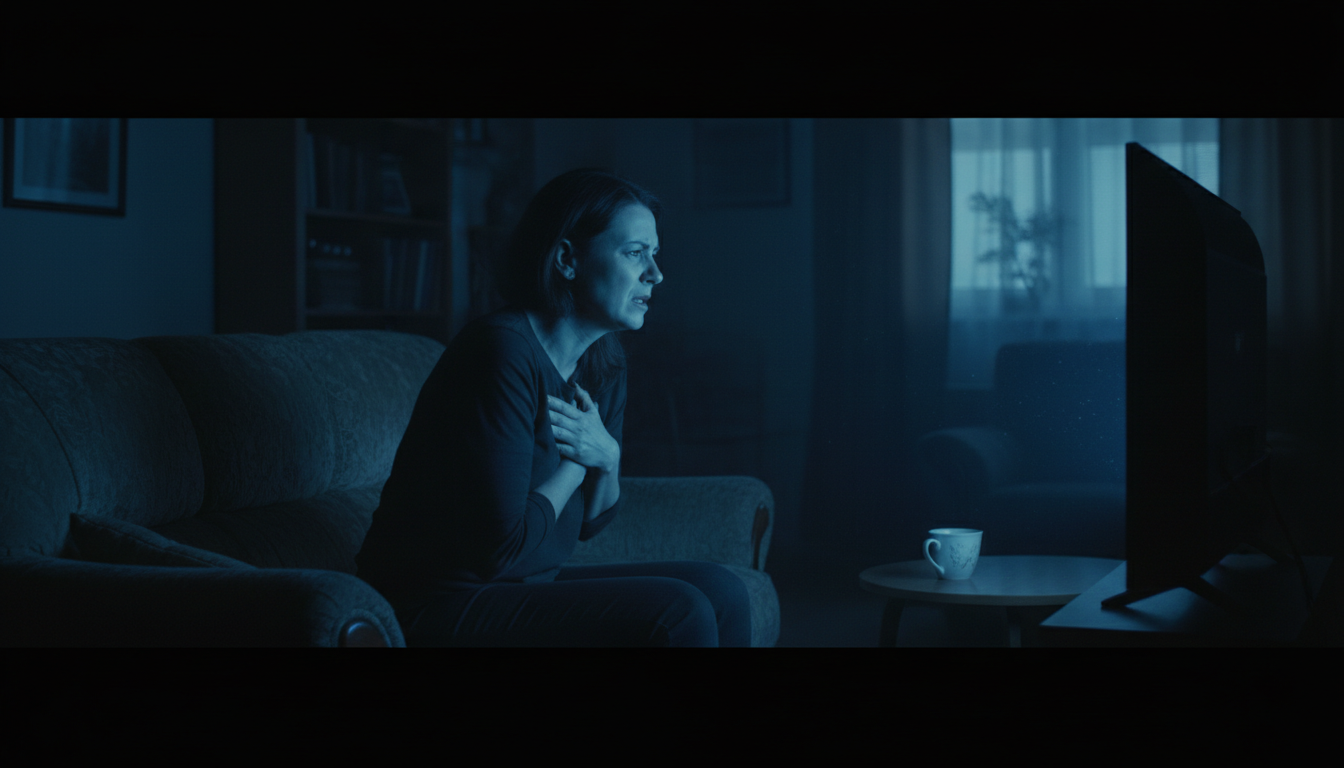
Stress and Breast Cancer Prevention
There is no guaranteed way to prevent every case of breast cancer.
However, women can take several steps to support overall breast health and potentially reduce certain modifiable risks.
Important healthy habits include:
-
Maintaining a healthy body weight
• Staying physically active
• Limiting alcohol consumption
• Avoiding tobacco
• Eating a balanced diet
• Following recommended breast cancer screening
• Being aware of changes in the breasts
• Discussing significant family history with a doctor
• Managing chronic stress in healthy ways
• Maintaining regular healthcare visits
Stress management is valuable for overall health, but it should be considered one part of a healthy lifestyle rather than a proven method of preventing breast cancer.
Healthy Ways to Manage Stress
Women experiencing persistent stress can consider healthy coping strategies such as:
-
Regular exercise
• Deep breathing exercises
• Meditation
• Yoga
• Spending time with family and friends
• Maintaining a regular sleep routine
• Engaging in hobbies
• Limiting excessive social media exposure
• Speaking with a counselor or mental health professional when needed
• Seeking medical advice for persistent anxiety or emotional distress
The goal is not to eliminate every stressful situation but to develop healthier ways of responding to stress.
Stress After a Breast Cancer Diagnosis
A breast cancer diagnosis can create fear and uncertainty.
Patients may worry about their prognosis, treatment, family, work, finances, and future.
These emotions are normal and do not mean that the patient is not strong.
Patients should communicate openly with their healthcare team about emotional distress.
At Care Speciality Hospital, Pune, Dr. Mahesh Pawar and the cancer care team can guide patients through their diagnosis and treatment journey while helping them understand their treatment options.
When Should You Consult a Breast Cancer Specialist in Pune?
You should consider consulting a breast cancer specialist if you have:
-
A new breast lump
• Persistent breast pain or swelling
• Abnormal mammography findings
• An abnormal breast ultrasound
• A suspicious biopsy report
• A family history of breast cancer
• A known genetic mutation associated with cancer risk
• Previous breast cancer
• Concerns about your breast cancer risk
• Questions about breast cancer screening
If you are searching for a breast cancer specialist in Pune, breast cancer doctor in Pune, or oncologist in Pune, timely professional consultation can help you understand your individual risk and appropriate next steps.
Frequently Asked Questions About Stress and Breast Cancer
Can stress directly cause breast cancer?
There is no conclusive evidence that psychological stress directly causes breast cancer. Breast cancer develops through a complex combination of biological, genetic, hormonal, reproductive, and lifestyle factors.
Can emotional stress increase breast cancer risk?
Research has not established a clear direct relationship between emotional stress and breast cancer risk. However, chronic stress can influence behaviors such as physical inactivity, poor diet, smoking, alcohol consumption, and poor sleep, which may affect overall health.
Can stress make breast cancer grow faster?
There is ongoing research into the biological effects of stress on cancer. However, there is currently insufficient evidence to say that psychological stress directly makes breast cancer grow faster in humans.
Can stress cause a breast lump?
Stress should not be assumed to be the cause of a new breast lump. Any new or persistent lump should be evaluated by a doctor.
Should breast cancer patients avoid stress completely?
It is impossible to eliminate all stress. The goal is to manage stress in healthy ways. Exercise, adequate sleep, relaxation techniques, social support, and professional counseling can help improve quality of life.
Can reducing stress prevent breast cancer?
Stress reduction is beneficial for general health, but there is no proven evidence that stress reduction alone prevents breast cancer.
Does exercise help with stress and breast cancer prevention?
Regular physical activity can help reduce stress, support healthy body weight, and is associated with a lower risk of breast cancer.
Can breast cancer happen even if I have a healthy lifestyle?
Yes. A healthy lifestyle can reduce certain risk factors but cannot completely eliminate breast cancer risk. Some breast cancers occur in women without obvious lifestyle or family risk factors.
Should I worry about stress if I have a family history of breast cancer?
If you have a significant family history, your breast cancer risk should be assessed based on your personal and family history, genetic factors, and other established risk factors. Do not assume that stress is the main reason for your risk.
When should I see a breast cancer doctor in Pune?
You should seek medical advice if you notice a new breast lump, persistent breast changes, abnormal breast imaging, suspicious biopsy results, or if you have significant personal or family risk factors.

Key Takeaways
-
Stress is a normal part of life, but chronic stress can affect overall physical and emotional health.
-
Current evidence does not conclusively establish psychological stress as a direct cause of breast cancer.
-
Chronic stress may indirectly affect health through sleep, diet, physical activity, body weight, alcohol consumption, and tobacco use.
-
Stress should never be used as an explanation for why a woman developed breast cancer.
-
A new breast lump or persistent breast change should always be medically evaluated.
-
Regular physical activity, healthy body weight, avoiding tobacco, limiting alcohol, and following appropriate screening recommendations can support breast health.
-
Women with a strong family history or genetic risk may require personalized breast cancer screening.
-
Breast cancer patients experiencing significant emotional distress should seek appropriate psychological and social support.
-
Early evaluation and appropriate breast cancer care are more important than worrying about whether stress caused the disease.