






Chemotherapy is one of the most commonly used treatments for cancer. It helps destroy cancer cells, control their growth, and prevent the disease from spreading. However, chemotherapy can also affect healthy cells, leading to different side effects during and after treatment. Understanding these side effects and knowing how to manage them can help patients feel more comfortable and maintain a better quality of life throughout their cancer journey.
Every cancer patient responds differently to chemotherapy. Some patients experience mild side effects, while others may experience more significant symptoms depending on the type of cancer, chemotherapy medicines, dosage, treatment duration, and overall health.
At Care Speciality Hospital, Pune, Dr. Mahesh Pawar emphasizes the importance of patient education, regular monitoring, and appropriate supportive care during cancer treatment. With proper medical guidance and timely management, many chemotherapy-related side effects can be controlled effectively.
This blog explains the common side effects of chemotherapy, practical management tips, precautions, and warning signs that cancer patients and their families should know.
What Is Chemotherapy?
Chemotherapy is a cancer treatment that uses special medicines to destroy cancer cells or stop them from growing and multiplying. These medicines may travel through the bloodstream and reach cancer cells in different parts of the body.
Chemotherapy may be used as the main cancer treatment or in combination with surgery, radiation therapy, targeted therapy, immunotherapy, or other treatments.
Depending on the cancer type and stage, chemotherapy may be recommended:
-
Before surgery to shrink a tumour (neoadjuvant chemotherapy).
-
After surgery to destroy remaining cancer cells (adjuvant chemotherapy).
-
To control cancer growth in advanced stages.
-
To reduce symptoms caused by cancer.
-
As part of a combination treatment plan.
Chemotherapy is used in the management of several cancers, including breast cancer, lung cancer, colorectal cancer, ovarian cancer, stomach cancer, blood cancers, and many other malignancies.
Dr. Mahesh Pawar at Care Speciality Hospital, Pune, helps patients understand their chemotherapy treatment plan and the supportive care required during treatment.
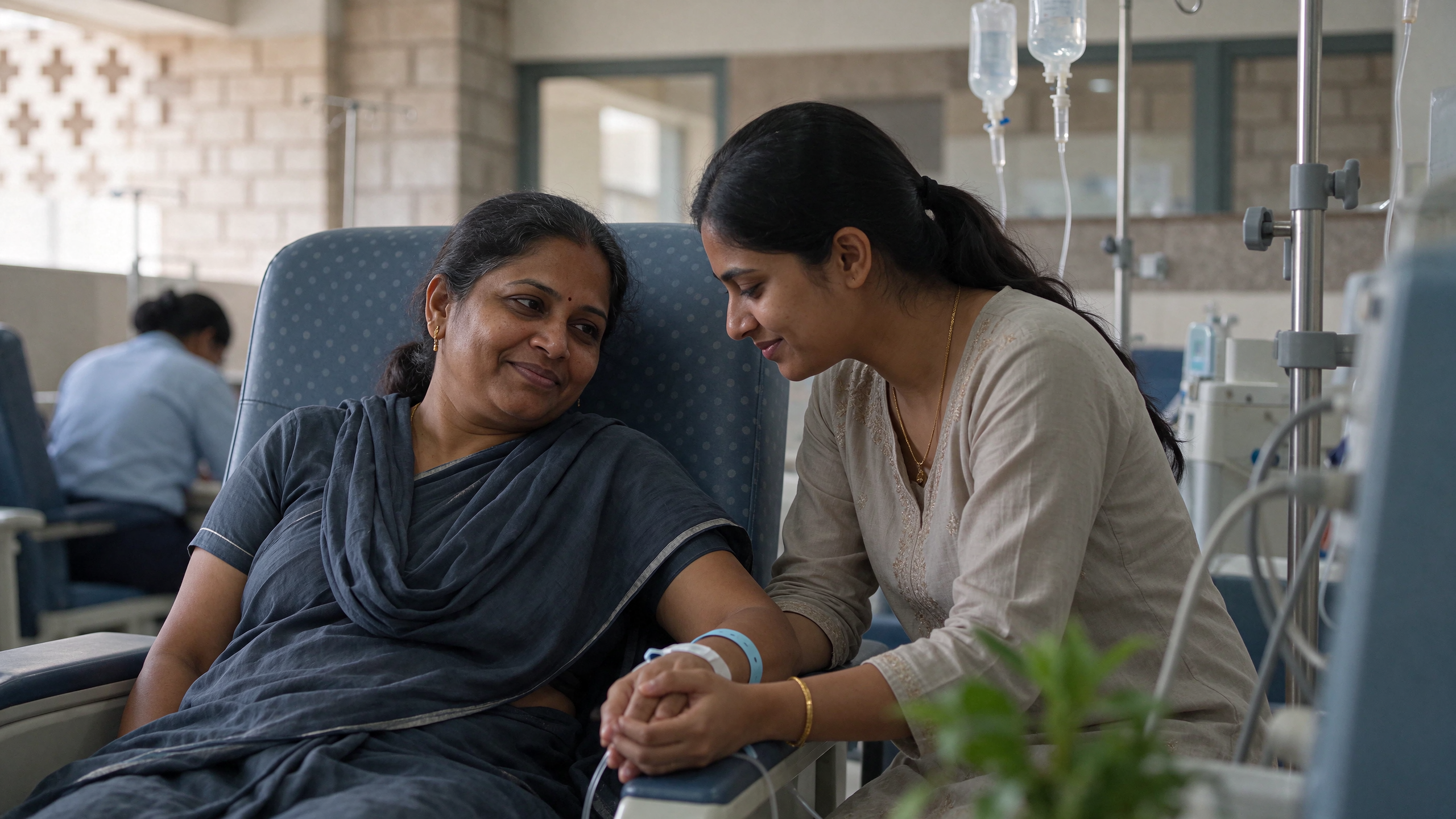
Why Does Chemotherapy Cause Side Effects?
Chemotherapy medicines are designed to target rapidly dividing cells. Cancer cells often divide quickly, which makes them suitable targets for these medicines.
However, certain healthy cells also divide rapidly, including cells in the hair follicles, digestive tract, bone marrow, and mouth.
When chemotherapy affects these healthy cells, patients may experience side effects such as hair loss, nausea, vomiting, mouth ulcers, fatigue, low blood counts, and digestive problems.
The severity of side effects depends on several factors:
-
Type of chemotherapy medicines used.
-
Dosage and frequency of treatment.
-
Type and stage of cancer.
-
Patient’s age and general health.
-
Existing medical conditions.
-
Response of the body to chemotherapy.
Not every patient experiences all chemotherapy side effects. Some patients may experience only a few symptoms, while others may require additional medical support to manage them.
15 Common Side Effects of Chemotherapy
Understanding the possible side effects can help patients prepare for treatment and seek medical attention when necessary.
1. Nausea and Vomiting
Nausea and vomiting are among the commonly experienced side effects of chemotherapy. Some chemotherapy medicines can irritate the digestive system and activate areas of the brain responsible for nausea.
Symptoms may occur during treatment, shortly after chemotherapy, or several days later.
Management Tips:
-
Eat small meals throughout the day instead of consuming large meals.
-
Avoid oily, spicy, and heavily fried foods if they worsen nausea.
-
Drink water and other permitted fluids regularly.
-
Choose easily digestible foods according to your tolerance.
-
Avoid lying down immediately after eating.
-
Take prescribed anti-nausea medicines as directed by your oncologist.
Important: If vomiting continues despite medication or you cannot keep fluids down, contact your cancer care team promptly.
2. Hair Loss
Hair loss, medically known as alopecia, is another well-known side effect of chemotherapy.
Chemotherapy can affect rapidly growing hair follicle cells, resulting in hair thinning or temporary hair loss. Depending on the medicines used, patients may also experience loss of eyebrows, eyelashes, and body hair.
Management Tips:
-
Use a mild shampoo and a soft hairbrush.
-
Avoid excessive heat styling and chemical hair treatments.
-
Consider cutting your hair shorter before treatment if preferred.
-
Use a scarf, cap, or comfortable head covering.
-
Protect your scalp from excessive sunlight.
-
Discuss scalp cooling with your oncologist if it is appropriate for your chemotherapy regimen.
In many cases, chemotherapy-related hair loss is temporary, and hair growth resumes after treatment ends. However, the recovery period varies depending on the medicines used.
3. Fatigue and Weakness
Cancer-related fatigue is more than ordinary tiredness. Patients may feel physically exhausted even after adequate rest.
Chemotherapy can contribute to fatigue by affecting healthy cells, reducing red blood cell counts, disturbing sleep, and changing appetite and nutritional intake.
Management Tips:
-
Get sufficient sleep and maintain a regular sleep schedule.
-
Take short breaks between daily activities.
-
Include gentle physical activity, such as walking, if medically suitable.
-
Eat balanced meals with adequate protein and calories.
-
Drink sufficient fluids.
-
Avoid overexertion and prioritize important activities.
-
Discuss persistent weakness with your oncologist.
Severe fatigue should not always be considered a normal chemotherapy side effect. It may sometimes indicate anemia, infection, dehydration, or other treatable medical problems.
4. Loss of Appetite
Some patients experience reduced appetite during chemotherapy. Food may taste different, and nausea, mouth sores, or digestive discomfort may make eating difficult.
Poor nutritional intake can lead to weight loss, weakness, and delayed recovery.
Management Tips:
-
Eat smaller meals at regular intervals.
-
Include protein-rich foods such as dal, paneer, eggs, curd, and other suitable protein sources.
-
Try nutritious soups, smoothies, or soft foods if tolerated.
-
Keep healthy snacks available.
-
Avoid skipping meals.
-
Consult a qualified dietitian if appetite loss continues.
Maintaining adequate nutrition during chemotherapy is important for supporting strength, recovery, and overall health.

-
5. Mouth Ulcers and Mouth Sores
Chemotherapy may damage the healthy cells lining the mouth and throat, causing a condition known as oral mucositis.
Patients may experience painful ulcers, redness, dryness, difficulty swallowing, and sensitivity while eating.
Management Tips:
-
Brush gently using a soft-bristled toothbrush.
-
Maintain proper oral hygiene.
-
Drink water regularly.
-
Choose soft, moist foods.
-
Avoid very spicy, acidic, or extremely hot foods.
-
Avoid alcohol-based mouthwashes.
-
Ask your doctor about an appropriate mouth rinse or medication.
Report painful mouth ulcers or difficulty swallowing to your cancer care team, especially if they interfere with eating and drinking.
6. Diarrhea
Certain chemotherapy medicines can irritate the intestinal lining and cause frequent loose stools.
Persistent diarrhea may result in dehydration, weakness, and electrolyte imbalance.
Management Tips:
-
Drink fluids regularly to replace lost water.
-
Eat easily digestible foods as advised by your treatment team.
-
Avoid oily, spicy, and excessively fatty foods if they worsen symptoms.
-
Eat smaller meals.
-
Monitor the frequency of bowel movements.
-
Contact your doctor if diarrhea is severe, persistent, or accompanied by fever, blood, or abdominal pain.
Do not take anti-diarrheal medicines without checking with your oncology team, particularly if you have fever or other signs of infection.
7. Constipation
Constipation can occur during chemotherapy due to certain medicines, reduced physical activity, dehydration, dietary changes, or pain medications.
Patients may experience difficulty passing stools, abdominal discomfort, bloating, and irregular bowel movements.
Management Tips:
-
Drink adequate fluids if permitted.
-
Include fibre-rich foods when appropriate.
-
Eat fruits, vegetables, and whole grains if tolerated.
-
Maintain gentle physical activity.
-
Follow a regular toilet routine.
-
Ask your doctor before using laxatives or stool softeners.
If constipation is accompanied by severe abdominal pain, vomiting, or abdominal swelling, seek medical advice urgently.
8. Increased Risk of Infection
One of the most important side effects of chemotherapy is a reduced white blood cell count.
White blood cells help the body fight infections. When chemotherapy reduces their numbers, the immune system may become less effective.
This condition can include neutropenia, which means a low level of infection-fighting neutrophils.
Management Tips:
-
Wash your hands frequently with soap and water.
-
Avoid close contact with people who are sick.
-
Maintain personal hygiene.
-
Keep cuts and wounds clean.
-
Follow food safety precautions.
-
Attend scheduled blood tests.
-
Follow your doctor’s advice regarding masks, vaccinations, and infection prevention.
Medical emergency
A temperature of 38°C (100.4°F) or higher during chemotherapy requires immediate contact with your oncology team. Do not wait until the next appointment. Do not take fever-reducing medicines to mask the fever before speaking with your doctor.
9. Low Red Blood Cell Count (Anemia)
Chemotherapy may affect the bone marrow, which produces red blood cells.
When red blood cell levels become low, patients may develop anemia.
Common symptoms include:
-
Extreme tiredness.
-
Dizziness.
-
Pale skin.
-
Shortness of breath.
-
Rapid heartbeat.
-
General weakness.
Management Tips:
-
Attend regular blood investigations.
-
Eat a balanced diet containing iron, vitamin B12, and folate.
-
Follow your doctor’s advice regarding nutritional supplements.
-
Avoid strenuous activities when feeling weak.
-
Discuss persistent fatigue or breathlessness with your oncologist.
Depending on the severity and cause, medical treatment may include medicines or blood transfusion.
-
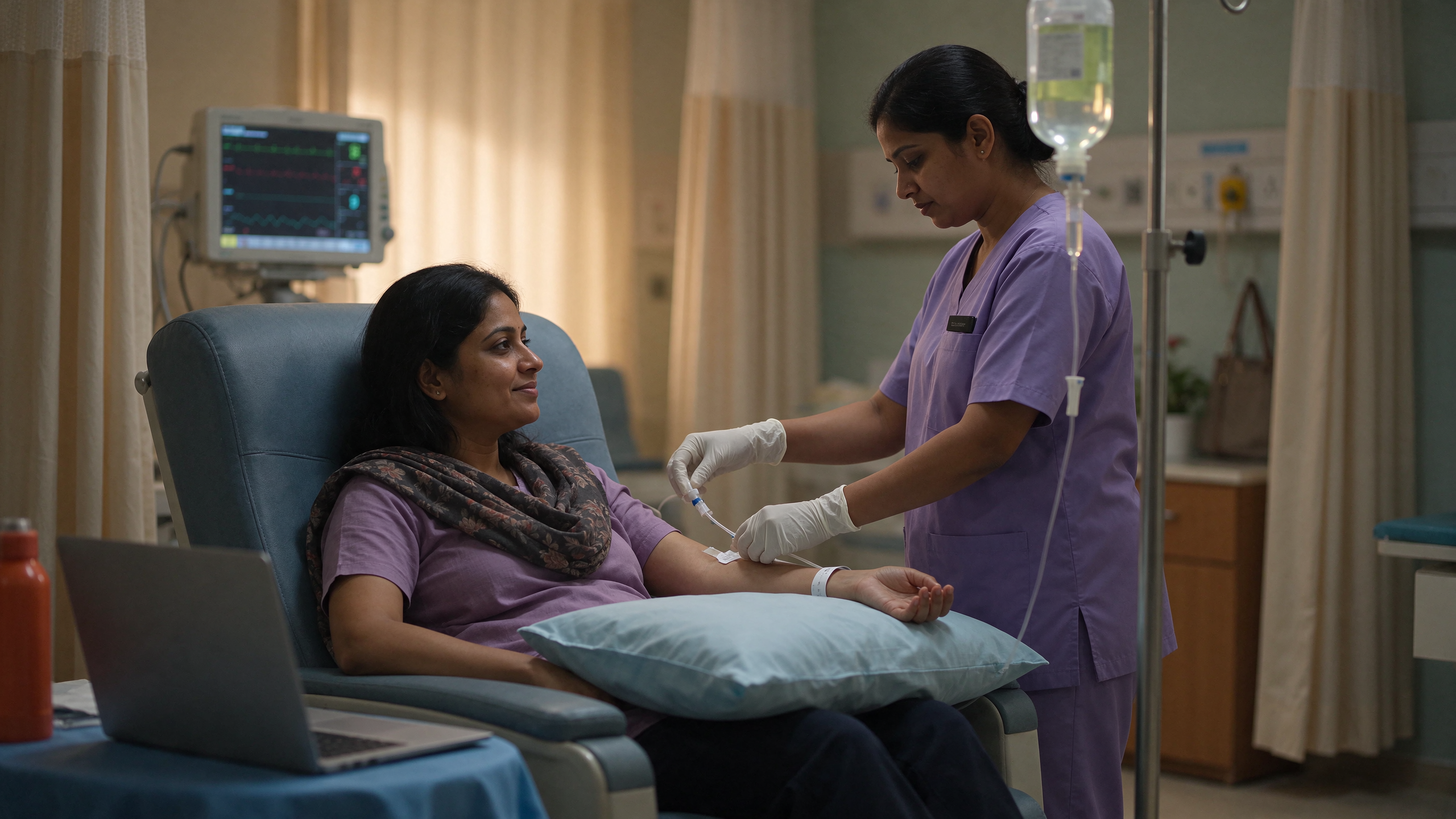
10. Low Platelet Count and Increased Bleeding Risk
Platelets help the blood clot and control bleeding. Some chemotherapy medicines can reduce platelet production in the bone marrow.
This condition is known as thrombocytopenia.
Possible symptoms include:
-
Easy bruising.
-
Bleeding gums.
-
Frequent nosebleeds.
-
Small red or purple spots on the skin.
-
Blood in urine or stools.
-
Bleeding that takes longer than usual to stop.
Management Tips:
-
Avoid activities that may cause injuries.
-
Use a soft toothbrush.
-
Use an electric razor if recommended.
-
Avoid self-medication with aspirin or anti-inflammatory medicines unless prescribed.
-
Attend scheduled blood tests.
-
Inform your doctor about unusual bruising or bleeding.
Severe bleeding, blood in stools or urine, or a persistent nosebleed requires urgent medical evaluation.
11. Changes in Taste and Smell
Chemotherapy may temporarily change the way food tastes and smells.
Some patients experience a metallic taste, reduced taste sensation, or dislike of foods they previously enjoyed.
Management Tips:
-
Maintain regular oral hygiene.
-
Try different foods and flavours according to tolerance.
-
Use herbs or mild seasonings if suitable.
-
Eat freshly prepared meals.
-
Use plastic or non-metallic cutlery if metallic taste is troublesome.
-
Maintain adequate nutritional intake.
Taste changes generally improve after treatment, although recovery varies.
12. Peripheral Neuropathy (Nerve Damage)
Some chemotherapy medicines can affect peripheral nerves, resulting in a condition called chemotherapy-induced peripheral neuropathy.
Patients may experience:
-
Tingling in the fingers and toes.
-
Numbness in the hands and feet.
-
Burning sensations.
-
Difficulty holding objects.
-
Problems with balance or walking.
-
Sensitivity to hot and cold temperatures.
Management Tips:
-
Inform your oncologist as soon as symptoms appear.
-
Protect your hands and feet from extreme temperatures.
-
Wear comfortable and properly fitting footwear.
-
Use handrails when walking if balance is affected.
-
Check your feet regularly for injuries.
-
Follow medical advice regarding pain management and supportive treatment.
Early reporting is important because your oncologist may need to adjust the chemotherapy dose or treatment plan to prevent worsening nerve damage.
13. Skin and Nail Changes
Some chemotherapy medicines can affect the skin and nails.
Patients may experience dry skin, itching, rashes, darkening of the skin, brittle nails, or changes in nail colour.
Management Tips:
-
Use gentle, fragrance-free moisturizers.
-
Avoid harsh soaps and skin products.
-
Protect your skin from excessive sunlight.
-
Keep nails clean and trimmed.
-
Avoid aggressive manicures or pedicures.
-
Report severe rashes, swelling, or skin infections to your doctor.
14. Sleep Problems and Emotional Changes
A cancer diagnosis and its treatment can create emotional and physical stress.
Patients may experience anxiety, sadness, sleep disturbances, irritability, or difficulty concentrating.
Management Tips:
-
Maintain a consistent sleep schedule.
-
Practice relaxation techniques or meditation.
-
Stay connected with family and friends.
-
Discuss emotional difficulties with your doctor.
-
Consider professional psychological counselling.
-
Ask your care team about cancer support groups.
Emotional well-being is an important part of comprehensive cancer care. Patients should not hesitate to ask for psychological support during treatment.

15. Fertility and Sexual Health Changes
Certain chemotherapy medicines can affect reproductive organs and hormone production.
In women, chemotherapy may cause menstrual irregularities, temporary or permanent infertility, or early menopause.
In men, chemotherapy may affect sperm production and fertility.
Some patients may also experience reduced sexual desire, vaginal dryness, erectile difficulties, or other changes in sexual health.
Management Tips:
-
Discuss fertility preservation before starting chemotherapy if future pregnancy is important.
-
Ask about sperm freezing or egg and embryo freezing when appropriate.
-
Discuss menstrual or sexual health changes with your doctor.
-
Seek advice from a fertility specialist if required.
-
Do not assume that pregnancy is impossible during treatment; discuss appropriate contraception with your doctor.
Fertility-related discussions should ideally happen before chemotherapy begins because some treatment-related effects may be irreversible.
How to Manage Chemotherapy Side Effects Effectively
Managing chemotherapy side effects requires a combination of medical supervision, healthy daily habits, nutritional support, and regular communication with the oncology team.
Here are some important recommendations for patients undergoing chemotherapy at Care Speciality Hospital, Pune, and other cancer treatment centres.
1. Follow Your Chemotherapy Schedule
Always follow the chemotherapy schedule and medication instructions provided by your oncologist.
Do not skip treatment, change medication doses, or delay chemotherapy without discussing it with your doctor.
If side effects become difficult to manage, your oncologist may consider supportive medicines, treatment adjustments, or other appropriate interventions.
2. Maintain Proper Nutrition
Good nutrition helps patients maintain their strength and manage treatment-related nutritional problems.
A balanced diet may include:
-
Freshly prepared and properly washed vegetables.
-
Fruits that are thoroughly washed and safely prepared.
-
Protein-rich foods such as dal, paneer, eggs, and well-cooked pulses.
-
Whole grains, according to digestive tolerance.
-
Milk, curd, or other suitable dairy products.
-
Adequate fluids.
There is no single special diet that can cure cancer or eliminate chemotherapy side effects. Nutritional requirements should be adjusted according to the patient’s cancer type, treatment, symptoms, and medical condition.
3. Stay Hydrated
Adequate hydration is important during chemotherapy.
Patients experiencing vomiting, diarrhea, fever, or reduced food intake may become dehydrated.
Drink fluids regularly according to your doctor’s recommendations. If you cannot retain fluids or experience signs of dehydration, contact your healthcare team.
4. Maintain Personal Hygiene
Good hygiene can reduce exposure to infection-causing germs, particularly when white blood cell counts are low.
Important precautions include:
-
Wash hands before eating and after using the toilet.
-
Maintain oral hygiene.
-
Keep the surrounding environment clean.
-
Wash fruits and vegetables properly.
-
Eat properly cooked food.
-
Avoid unsafe or contaminated food.
-
Avoid sharing personal hygiene items.
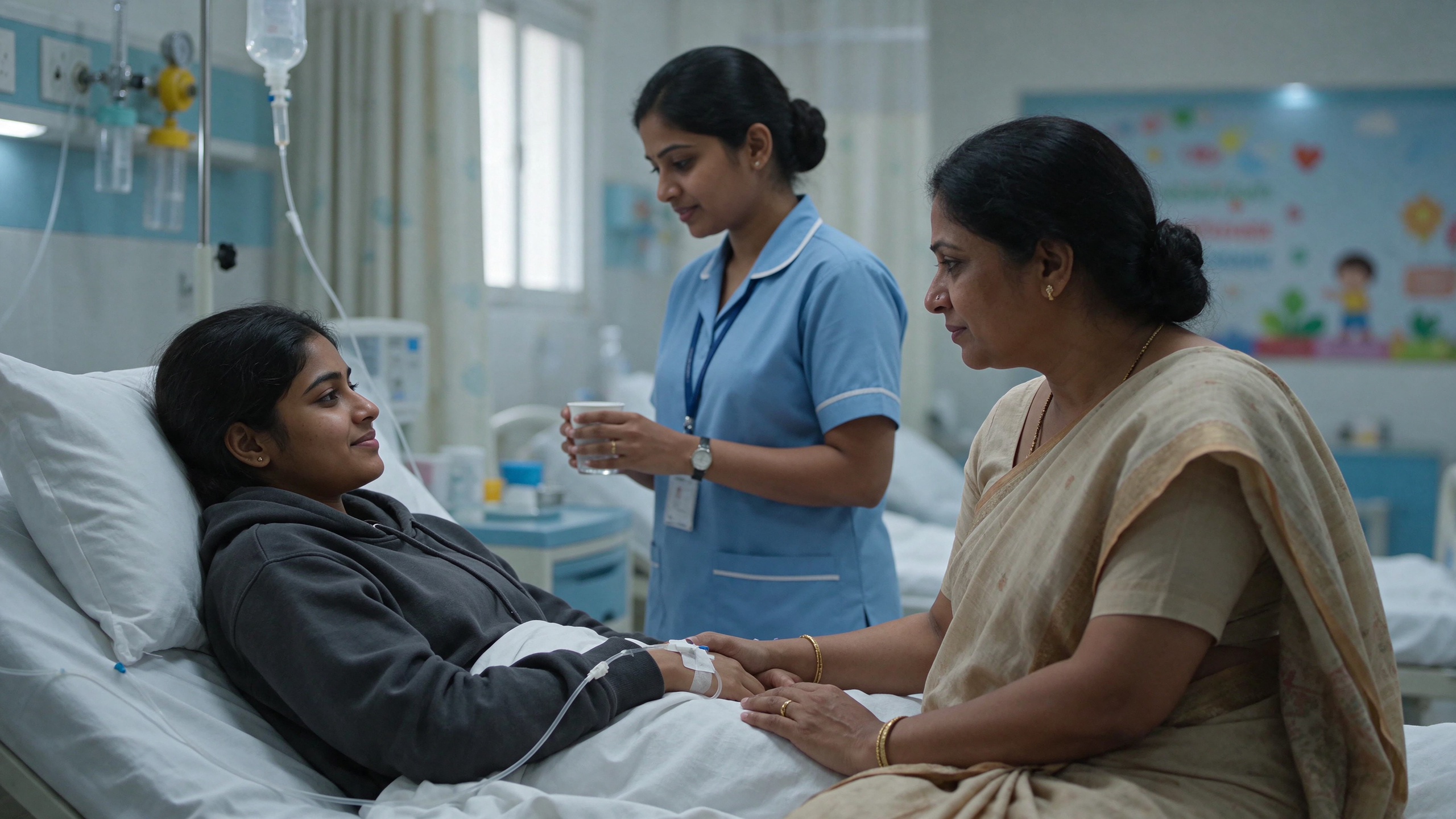
5. Get Adequate Rest
Chemotherapy can affect energy levels and sleep patterns.
Patients should maintain a healthy balance between rest and physical activity.
Avoid unnecessary physical exhaustion, but remain gently active whenever your medical condition allows.
6. Attend Regular Blood Tests and Follow-Up Appointments
Regular monitoring is essential during chemotherapy.
Depending on the treatment regimen, doctors may recommend:
-
Complete Blood Count (CBC).
-
Hemoglobin levels.
-
White blood cell and neutrophil counts.
-
Platelet counts.
-
Kidney function tests.
-
Liver function tests.
-
Electrolyte tests.
-
Other investigations depending on the chemotherapy medicines.
These tests help identify potential complications early and allow the oncology team to make appropriate treatment decisions.
7. Never Take Medicines or Supplements Without Medical Advice
Some patients use herbal products, nutritional supplements, traditional remedies, or over-the-counter medicines to manage chemotherapy side effects.
However, certain products can interfere with chemotherapy medicines or increase the risk of complications.
Always inform your oncologist about every medicine, supplement, herbal preparation, or alternative treatment you are using.
Warning Signs During Chemotherapy: When Should You Contact Your Doctor?
Some chemotherapy side effects are manageable at home, while others require immediate medical attention.
Patients and caregivers should understand which symptoms should never be ignored.
Contact your oncology team immediately if you experience any of the following:
-
Fever of 38°C (100.4°F) or higher.
-
Chills or sudden shaking.
-
Difficulty breathing.
-
Persistent or severe vomiting.
-
Severe or persistent diarrhea.
-
Unusual bleeding or bruising.
-
Blood in urine or stools.
-
Severe abdominal pain.
-
Confusion or sudden dizziness.
-
Severe dehydration.
-
Painful mouth sores that prevent eating or drinking.
-
Redness, swelling, or discharge around a catheter or injection site.
Fever during chemotherapy can be a sign of a serious infection, particularly when white blood cell counts are low. It requires urgent medical assessment.
Do not wait for the next scheduled chemotherapy appointment if serious warning signs develop.
How Long Do Chemotherapy Side Effects Last?
The duration of chemotherapy side effects varies from patient to patient.
Some side effects may begin during treatment, while others develop several days after a chemotherapy session.
Many common side effects improve after chemotherapy is completed and healthy cells recover. However, certain complications may continue for weeks or months, and some treatment-related effects can persist for longer.
The recovery period depends on:
-
The chemotherapy medicines used.
-
The total number of treatment cycles.
-
The dosage of medicines.
-
The patient’s age and general health.
-
Existing medical conditions.
-
Individual response to treatment.
For example, hair growth often resumes after chemotherapy, while nerve-related symptoms may take longer to improve and can sometimes persist.
Regular follow-up with Dr. Mahesh Pawar and the oncology team at Care Speciality Hospital, Pune, can help monitor recovery and identify long-term complications.
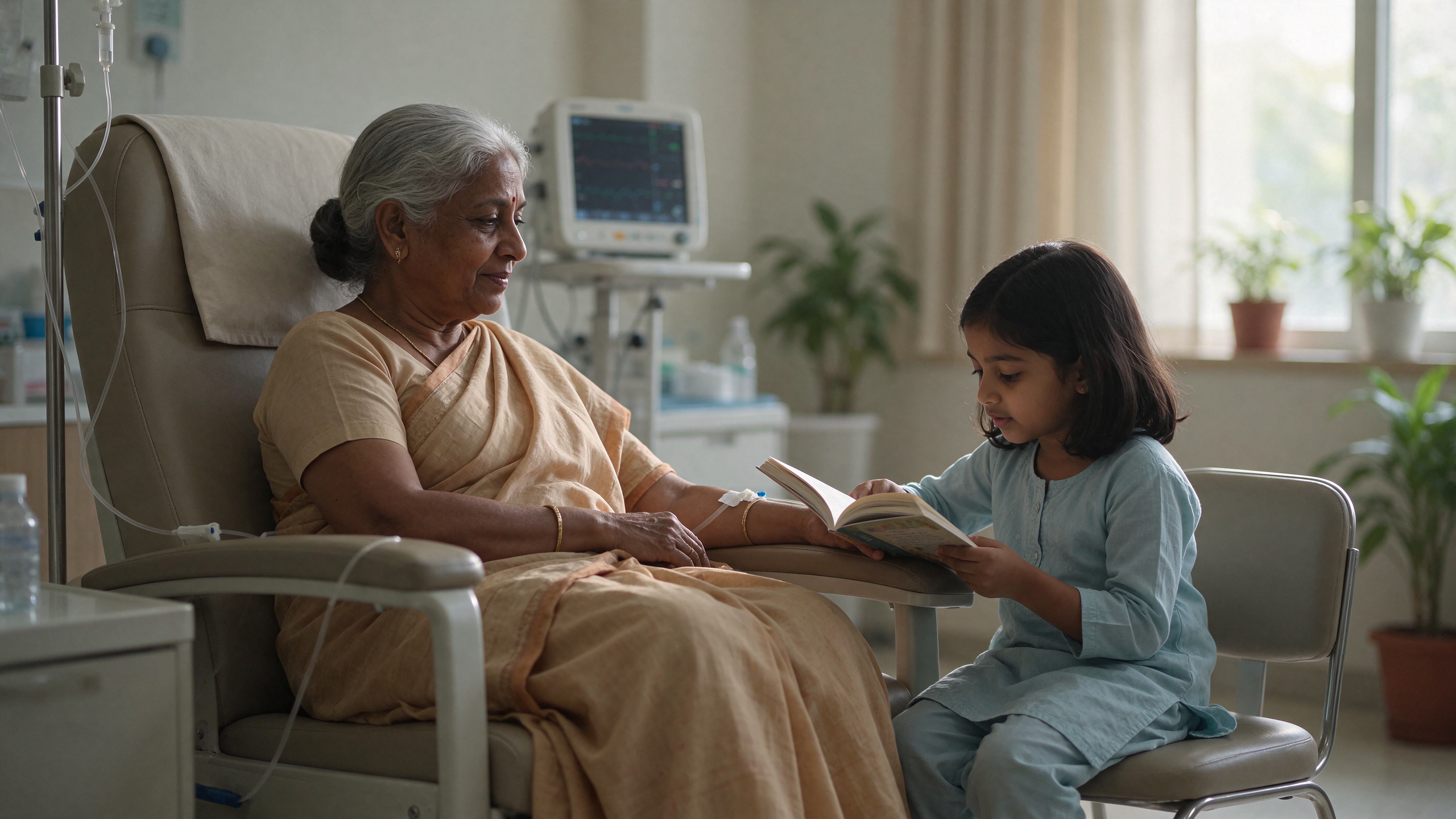
Are Chemotherapy Side Effects the Same for Every Cancer Patient?
No. Chemotherapy side effects differ significantly depending on the medicines and treatment combinations used.
For example:
Breast Cancer: Certain chemotherapy regimens may cause hair loss, fatigue, nausea, low blood counts, and nerve-related symptoms.
Lung Cancer: Patients may experience fatigue, nausea, appetite changes, low blood counts, and other drug-specific complications.
Colorectal Cancer: Some chemotherapy medicines may cause diarrhea, mouth sores, and peripheral neuropathy.
Ovarian Cancer: Chemotherapy may cause hair loss, nausea, fatigue, and changes in blood cell counts.
Blood Cancers: Patients may experience significant changes in blood counts and an increased risk of infection, depending on the treatment regimen.
The side effects experienced by a patient depend more on the specific chemotherapy medicines and doses than simply on the type of cancer.
This is why chemotherapy management should always be individualized.
Role of the Oncologist in Managing Chemotherapy Side Effects
An oncologist plays an important role not only in treating cancer but also in managing complications associated with treatment.
Effective chemotherapy management involves:
-
Explaining possible side effects before treatment begins.
-
Selecting an appropriate chemotherapy regimen.
-
Monitoring blood counts and organ function.
-
Prescribing anti-nausea and other supportive medicines.
-
Managing infections and nutritional problems.
-
Identifying treatment-related complications.
-
Adjusting treatment when medically necessary.
-
Providing guidance about recovery and follow-up.
At Care Speciality Hospital, Pune, Dr. Mahesh Pawar emphasizes a patient-focused approach to cancer treatment, including awareness of chemotherapy side effects and their timely management.
Tips for Family Members and Caregivers Supporting Cancer Patients
Family members play an important role in supporting patients throughout chemotherapy.
Cancer treatment can be physically and emotionally challenging, and patients often need additional assistance with daily activities.
Here are some practical ways caregivers can help:
-
Provide Emotional Support: Listen to patients and encourage them throughout their treatment journey.
-
Help With Nutrition: Prepare fresh, balanced meals according to the patient’s dietary recommendations.
-
Maintain Hygiene: Help maintain a clean home environment and encourage regular handwashing.
-
Monitor Symptoms: Keep track of fever, vomiting, appetite changes, bowel movements, and other symptoms.
-
Support Medical Appointments: Help patients attend chemotherapy sessions, blood tests, and follow-up consultations.
-
Follow Medical Instructions: Ensure that prescribed medicines are taken correctly and that any new symptoms are reported.
-
Avoid Unverified Remedies: Do not encourage patients to use unapproved supplements or alternative cancer treatments.
A supportive family environment can help patients feel more confident and comfortable while undergoing cancer treatment.
Common Myths About Chemotherapy Side Effects
There are several misconceptions about chemotherapy that can create unnecessary fear among patients.
Myth 1: Every Cancer Patient Loses Their Hair During Chemotherapy
Fact: Hair loss depends on the chemotherapy medicines used. Some medicines cause significant hair loss, while others may cause mild thinning or no hair loss.
Myth 2: Chemotherapy Always Causes Severe Vomiting
Fact: Modern anti-nausea medicines can prevent or significantly reduce nausea and vomiting in many patients. The level of nausea depends on the chemotherapy regimen and individual response.
Myth 3: Patients Should Avoid All Physical Activity During Chemotherapy
Fact: Gentle physical activity, such as walking, may help reduce fatigue and maintain physical strength when medically appropriate.
Myth 4: Chemotherapy Side Effects Mean the Treatment Is Working
Fact: Side effects do not indicate whether chemotherapy is successfully destroying cancer cells. Treatment effectiveness is assessed through clinical evaluation, imaging, laboratory tests, and other appropriate investigations.
Myth 5: Patients Should Stop Chemotherapy If Side Effects Occur
Fact: Many side effects can be managed with appropriate supportive care. Patients should never stop or change their chemotherapy schedule without consulting their oncologist.
Myth 6: Herbal Medicines Are Always Safe During Chemotherapy
Fact: Certain herbal preparations and supplements can interfere with cancer medicines. Always consult your oncologist before using them.
Frequently Asked Questions About Chemotherapy Side Effects
1. What Are the Most Common Side Effects of Chemotherapy?
The most common side effects include nausea, vomiting, hair loss, fatigue, loss of appetite, mouth sores, diarrhea, constipation, low blood counts, and increased risk of infection. However, not every patient experiences all these symptoms.
2. How Can I Reduce Nausea During Chemotherapy?
Eating small meals, avoiding foods that trigger nausea, maintaining hydration, and taking prescribed anti-nausea medicines can help. If vomiting continues, contact your oncology team.
3. Does Hair Grow Back After Chemotherapy?
In many patients, hair grows back after chemotherapy is completed. The timing, thickness, texture, and appearance of new hair may vary depending on the medicines used.
4. Can I Eat Normal Food During Chemotherapy?
Yes. Most patients can eat a balanced diet during chemotherapy, but their food choices may need to change depending on nausea, mouth sores, diarrhea, or other symptoms.
Proper food hygiene and safe food preparation are especially important during treatment.
5. Is Fever During Chemotherapy Dangerous?
Yes. Fever during chemotherapy can indicate an infection when the immune system is weakened.
A temperature of 38°C (100.4°F) or higher requires immediate contact with your oncology team.
6. Can I Exercise During Chemotherapy?
Many patients can participate in light physical activities such as walking, stretching, or gentle exercise. However, activity levels should depend on blood counts, energy levels, symptoms, and medical advice.
7. How Can I Improve My Energy Levels During Chemotherapy?
Maintain adequate nutrition, drink enough fluids, get sufficient sleep, and include gentle physical activity when appropriate. Persistent weakness should be evaluated by your doctor.
8. Can Chemotherapy Cause Long-Term Side Effects?
Yes. Certain chemotherapy medicines may cause long-term effects involving nerves, heart function, fertility, hearing, or other organs. The risk depends on the medicines and doses used.
9. Should I Take Vitamins During Chemotherapy?
Vitamins and supplements should only be taken after discussing them with your oncologist. Certain supplements may interfere with chemotherapy treatment.
10. When Should I Consult an Oncologist During Chemotherapy?
Patients should contact their oncologist whenever they experience new, persistent, or worsening symptoms. Fever, breathing difficulties, severe vomiting, dehydration, and unusual bleeding require urgent medical attention.

Chemotherapy Treatment and Cancer Care in Pune, Maharashtra
Cancer treatment requires proper diagnosis, treatment planning, supportive care, and regular follow-up.
Patients searching for chemotherapy treatment in Pune, cancer specialist in Pune, or oncologist in Pune, Maharashtra, should understand the importance of receiving treatment under the supervision of a qualified oncology team.
Chemotherapy management is not limited to administering cancer medicines. It also involves:
-
Monitoring treatment response.
-
Managing chemotherapy-related complications.
-
Maintaining nutritional health.
-
Preventing infections.
-
Supporting emotional well-being.
-
Monitoring blood counts and organ function.
-
Planning post-treatment follow-up.