




Breast cancer is one of the most common cancers affecting women worldwide. In India, the number of breast cancer cases has been steadily increasing, making awareness and early detection more important than ever. Understanding the common causes and risk factors of breast cancer can help women take proactive steps toward prevention, regular screening, and timely treatment.
According to Dr. Mahesh Pawar at Care Speciality Hospital, Pune, breast cancer can develop due to a combination of genetic, hormonal, lifestyle, and environmental factors. While some risk factors cannot be controlled, many can be managed through healthy lifestyle choices and regular health check-ups.
What is Breast Cancer?
Breast cancer occurs when cells in the breast begin to grow uncontrollably, forming a tumor. These cancerous cells can spread to nearby tissues and other parts of the body if not detected and treated early.
Breast cancer can affect women of all ages, although the risk increases as women grow older. Early diagnosis significantly improves treatment outcomes and survival rates.

Common Causes and Risk Factors of Breast Cancer in Women
1. Increasing Age
One of the biggest risk factors for breast cancer is age. The chances of developing breast cancer increase after the age of 40. Most breast cancer cases are diagnosed in women over 50 years old.
Dr. Mahesh Pawar at Care Speciality Hospital, Pune, recommends regular breast cancer screening for women above 40 years, especially those with additional risk factors.
2. Family History of Breast Cancer
Women who have a close relative diagnosed with breast cancer may have a higher risk of developing the disease themselves.
Family history may include:
-
Mother diagnosed with breast cancer
-
Sister diagnosed with breast cancer
-
Daughter diagnosed with breast cancer
-
Multiple relatives with breast or ovarian cancer
If breast cancer runs in your family, consulting an experienced breast cancer specialist in Pune can help determine your risk level.
3. Genetic Mutations
Certain inherited gene mutations, especially BRCA1 and BRCA2, significantly increase the risk of breast cancer.
Women carrying these genetic mutations may develop breast cancer at a younger age compared to the general population. Genetic counseling and testing may be recommended for women with a strong family history.
At Care Speciality Hospital, Pune, Dr. Mahesh Pawar emphasizes the importance of genetic evaluation in high-risk patients.

4. Hormonal Factors
Hormones play a major role in breast cancer development. Long-term exposure to estrogen can increase breast cancer risk.
Hormonal risk factors include:
-
Early onset of menstruation (before age 12)
-
Late menopause (after age 55)
-
Never having children
-
First pregnancy after age 30
-
Hormone replacement therapy after menopause
Women experiencing hormonal changes should discuss their risk factors with Dr. Mahesh Pawar at Care Speciality Hospital, Pune.
5. Obesity and Excess Body Weight
Being overweight or obese, especially after menopause, can increase breast cancer risk.
Fat tissue produces estrogen, and excess estrogen may promote the growth of certain types of breast cancer.
Maintaining a healthy weight through balanced nutrition and regular exercise can significantly reduce the risk.
6. Lack of Physical Activity
A sedentary lifestyle is associated with a higher risk of breast cancer.
Regular physical activity helps:
-
Maintain healthy body weight
-
Balance hormone levels
-
Improve immune function
-
Reduce inflammation
Experts at Care Speciality Hospital, Pune, recommend at least 150 minutes of moderate exercise every week.
7. Unhealthy Diet
Dietary habits can influence overall cancer risk.
A diet high in:
-
Processed foods
-
Sugary beverages
-
Saturated fats
-
Fast food
may contribute to obesity and increase cancer risk.
A healthy diet rich in:
-
Fresh fruits
-
Vegetables
-
Whole grains
-
Lean proteins
-
Healthy fats
can support overall breast health.

8. Alcohol Consumption
Research has shown that alcohol consumption increases the risk of breast cancer.
Alcohol can:
-
Increase estrogen levels
-
Damage DNA in cells
-
Promote cancer development
The risk rises with the amount of alcohol consumed over time.
9. Smoking
Smoking is linked to various cancers, including breast cancer.
Tobacco contains harmful chemicals that can damage cells and increase cancer risk.
Women who smoke for long periods may face a greater likelihood of developing breast cancer compared to non-smokers.
10. Previous Breast Conditions
Women who have had certain non-cancerous breast conditions may have a higher risk of developing breast cancer later in life.
These conditions include:
-
Atypical hyperplasia
-
Lobular carcinoma in situ (LCIS)
-
Dense breast tissue
Regular monitoring and breast examinations are essential for women with such conditions.
11. Radiation Exposure
Exposure to radiation therapy, particularly during childhood or early adulthood, can increase the risk of breast cancer later in life.
Women who have undergone chest radiation treatment should follow regular breast cancer screening guidelines.
12. Dense Breast Tissue
Women with dense breast tissue often have a slightly higher risk of breast cancer.
Dense breast tissue can also make tumors harder to detect on mammograms.
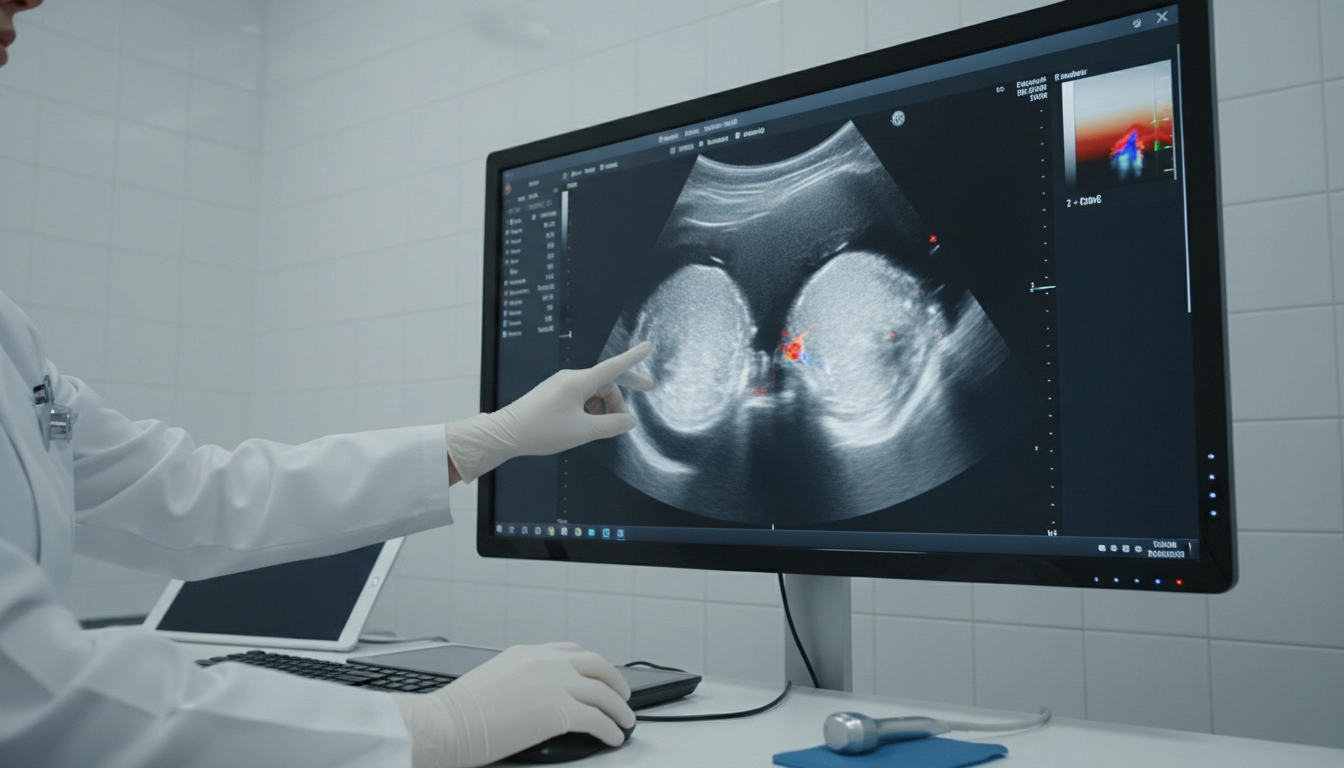
Advanced breast imaging and regular consultations with specialists like Dr. Mahesh Pawar at Care Speciality Hospital, Pune, can improve early detection.
Symptoms Women Should Never Ignore
Understanding breast cancer symptoms is equally important.
Common warning signs include:
-
Lump in the breast or underarm
-
Changes in breast size or shape
-
Breast pain that does not go away
-
Nipple discharge
-
Inverted nipple
-
Skin dimpling or puckering
-
Redness or swelling of the breast
-
Thickening of breast tissue
If you notice any of these symptoms, seek immediate evaluation from a breast cancer doctor in Pune.
How to Reduce the Risk of Breast Cancer
Although breast cancer cannot always be prevented, certain lifestyle modifications can lower the risk.
Maintain a Healthy Weight
Excess weight increases hormone production and inflammation, both of which may contribute to breast cancer development.
Exercise Regularly
Physical activity helps maintain hormonal balance and reduces cancer risk.
Eat a Balanced Diet
Choose nutrient-rich foods that support immune function and overall health.
Avoid Smoking
Quitting smoking improves overall health and lowers the risk of multiple cancers.
Limit Alcohol Consumption
Reducing alcohol intake can significantly decrease breast cancer risk.
Schedule Regular Screenings
Routine mammograms and breast examinations can help detect breast cancer at an early stage when treatment is most effective.

Importance of Early Detection
Early diagnosis remains one of the most powerful tools in the fight against breast cancer.
Regular screening can:
-
Detect cancer before symptoms appear
-
Improve treatment success rates
-
Reduce the need for extensive treatments
-
Increase long-term survival
Women living in Pune and nearby areas should prioritize annual breast health check-ups, especially after the age of 40.
Breast Cancer Care at Care Speciality Hospital, Pune
At Care Speciality Hospital, Pune, comprehensive breast cancer care is provided under the expert guidance of Dr. Mahesh Pawar. From advanced diagnostic services to personalized treatment plans, patients receive compassionate and evidence-based care throughout their cancer journey.
Services include:
-
Breast cancer screening
-
Mammography guidance
-
Breast lump evaluation
-
Breast cancer diagnosis
-
Surgical oncology consultation
-
Cancer treatment planning
-
Follow-up and survivorship care
Patients seeking expert breast cancer treatment in Pune can rely on Dr. Mahesh Pawar and the dedicated team at Care Speciality Hospital, Pune, for comprehensive support and advanced medical care.
Why Choose Dr. Mahesh Pawar for Breast Cancer Treatment in Pune?
Dr. Mahesh Pawar is committed to providing patient-centered cancer care with a focus on early detection, accurate diagnosis, and effective treatment strategies. His expertise in managing breast cancer cases has helped numerous patients achieve better outcomes through timely intervention and personalized care.
For women looking for a trusted breast cancer specialist in Pune, Dr. Mahesh Pawar at Care Speciality Hospital, Pune, offers expert guidance at every stage of diagnosis and treatment.
Conclusion
Breast cancer is influenced by multiple factors, including age, genetics, hormonal changes, lifestyle habits, and environmental exposures. While not all risk factors can be controlled, adopting a healthy lifestyle and undergoing regular breast cancer screening can significantly improve early detection and treatment outcomes.
If you have concerns about breast cancer risk factors, symptoms, or screening, consult Dr. Mahesh Pawar at Care Speciality Hospital, Pune. Early awareness, timely diagnosis, and expert care remain the key pillars in successfully fighting breast cancer.